

🌍 Introduction
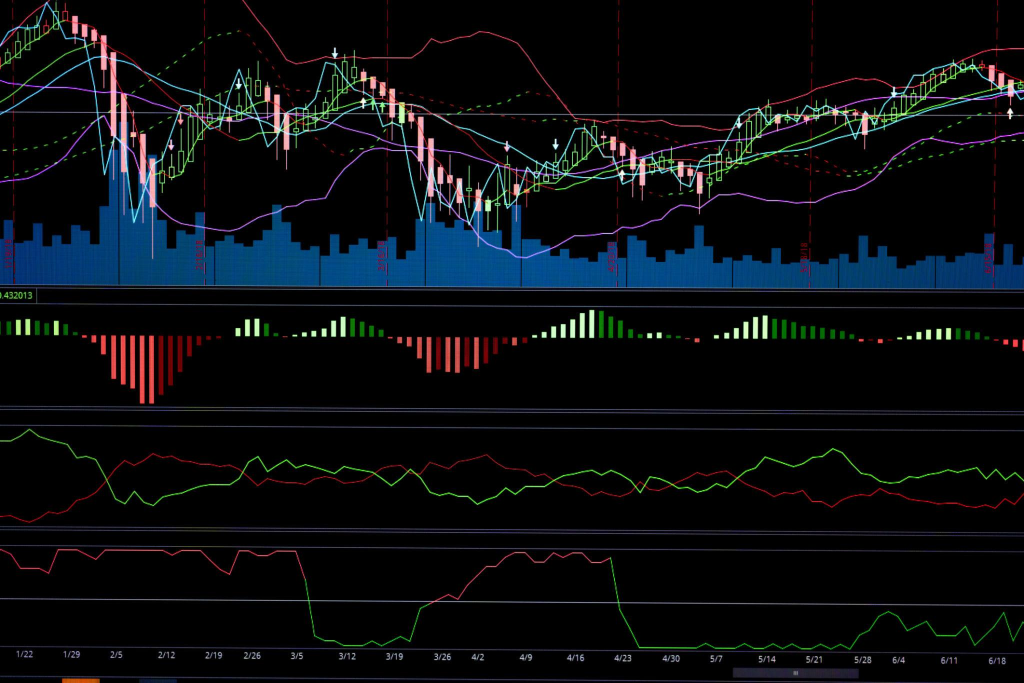
Forex trading can look confusing at first, especially when you open a chart and see lines, candles, and indicators moving constantly. However, once you understand how to read forex charts, everything becomes clearer and more logical. Charts are the language of the market—they tell you what buyers and sellers are doing in real time.
In 2026, with advanced trading platforms and tools available, learning how to read forex charts like a professional is one of the most valuable skills you can develop. Whether you are trading EUR/USD, GBP/USD, or any other currency pair, the ability to interpret charts correctly can help you make better decisions, reduce risks, and increase profitability.
This guide will walk you step by step, from the basics to advanced strategies, so you can confidently read and analyze forex charts like a pro.
📈 What Is a Forex Chart?
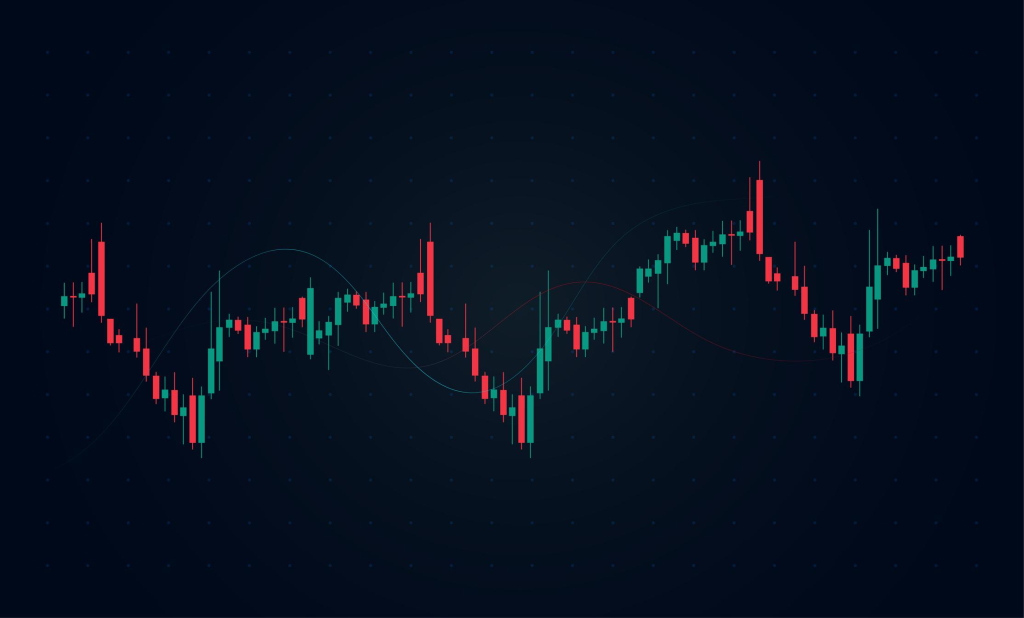
A forex chart is simply a visual representation of the price movement of a currency pair over time. Instead of looking at numbers in a table, charts allow traders to see patterns, trends, and price behavior easily. Every read forex charts how the price has changed within a specific time frame—this could be seconds, minutes, hours, or even months.
The horizontal axis (X-axis) represents time, while the vertical axis (Y-axis) represents price. By studying these movements, traders can identify whether the market is going up, down, or moving sideways. This information is crucial because trading decisions are based on predicting future price movements from past behavior.
🕯️ Types of Forex Charts and read forex charts
There are three main types of forex charts that every trader should understand. The line chart is the simplest, showing only closing prices over time. It is useful for beginners who want a clear overview of market direction without too much detail.
The bar chart provides more information, including opening, closing, high, and low prices. However, it can look complex for beginners.
The most popular chart among professional traders is the candlestick chart. Each candle shows four key pieces of information: open, close, high, and low prices. Candlesticks also visually display market sentiment—whether buyers (bulls) or sellers (bears) are in control. Learning candlestick patterns is one of the most important steps in mastering forex charts.
Read Related content: How to Trade Forex Using News Events: Step-by-Step Guide for 2026
🔍 Understanding Candlestick Patterns in read forex charts
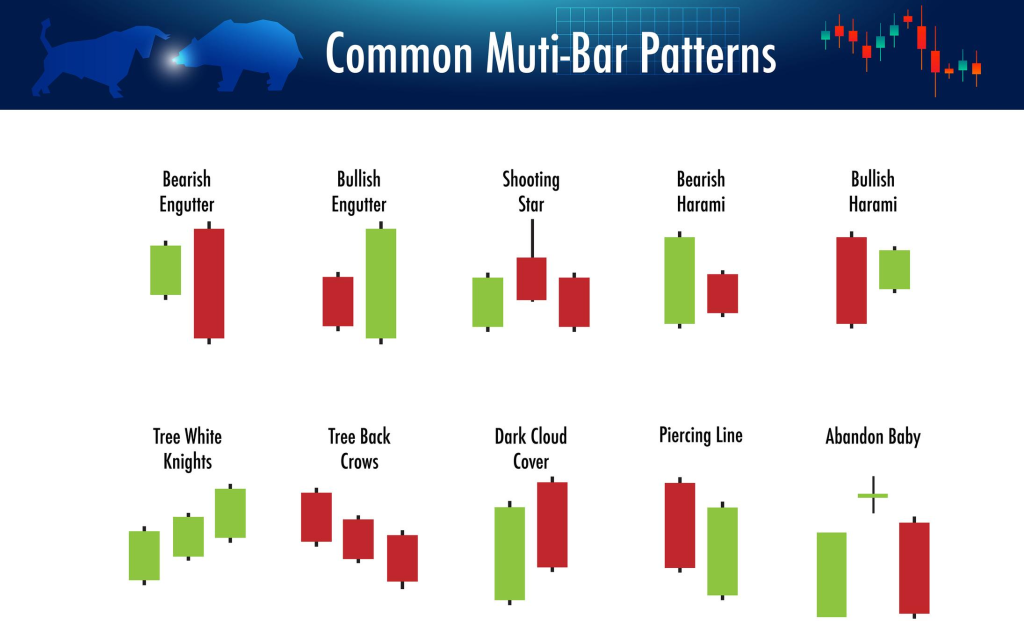
Candlestick patterns provide powerful insights into market psychology. For example, a bullish engulfing pattern indicates strong buying pressure, suggesting that prices may rise. On the other hand, a bearish engulfing pattern signals selling pressure and potential downward movement.
Patterns like Doji candles show market indecision, while hammer and shooting star patterns often indicate reversals. By recognizing these patterns, traders can anticipate potential market moves before they happen.
However, it is important not to rely on a single pattern alone. Professional traders always combine candlestick analysis with other tools such as support and resistance levels, trends, and indicators.
📉 Support and Resistance Levels
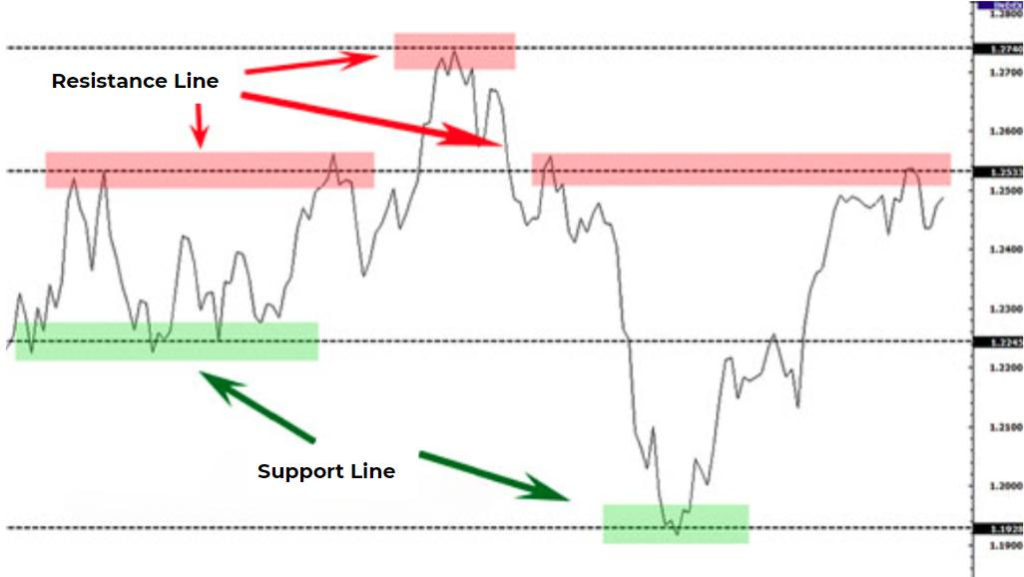
Support and resistance are key concepts in forex chart analysis. Support is a price level where the market tends to stop falling and bounce upward, while resistance is a level where the price struggles to move higher and may reverse downward.
These levels act like invisible barriers in the market. When price approaches support, buyers often step in, pushing the price up. When price reaches resistance, sellers may take control, pushing the price down.
Understanding these levels helps traders decide where to enter and exit trades. For example, buying near support and selling near resistance is a common and effective strategy.
📊 Trend Analysis with read forex charts
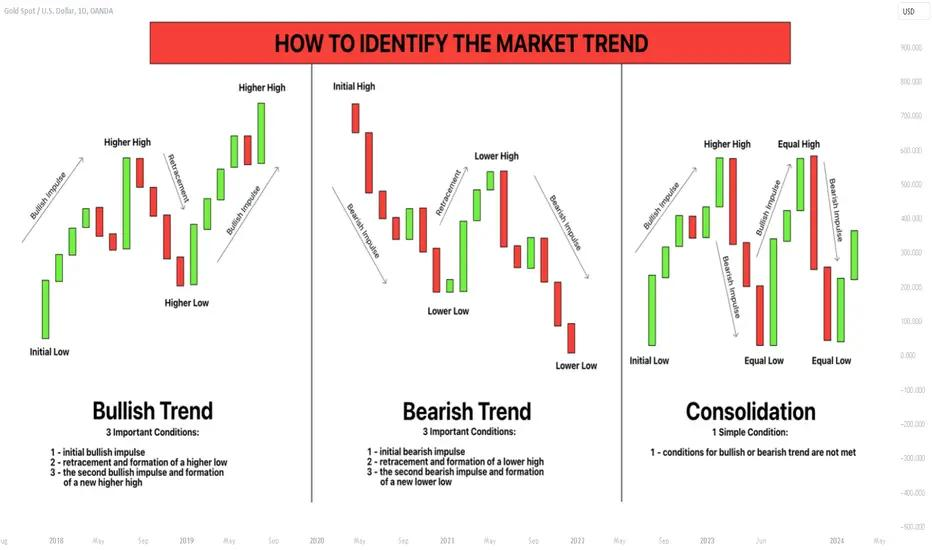
Trend analysis is the foundation of forex trading. A trend shows the overall direction of the market—uptrend, downtrend, or sideways. In an uptrend, prices form higher highs and higher lows, indicating strong buying pressure. In a downtrend, prices form lower highs and lower lows, showing selling dominance.
Professional traders often follow the trend because “the trend is your friend.” Trading in the direction of the trend increases the probability of success. For example, buying in an uptrend is generally safer than trying to sell against it.
⚙️ Using Indicators
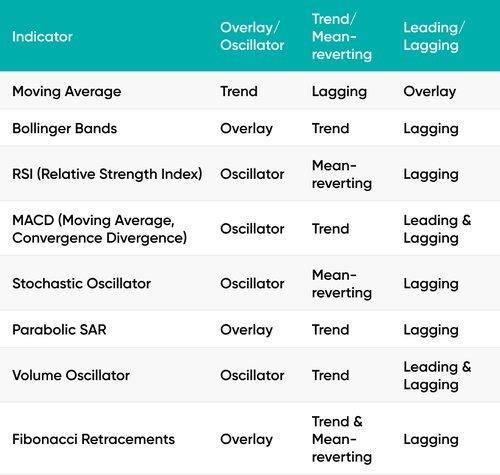
Indicators are tools that help traders analyze charts more effectively. Some of the most popular indicators include Moving Averages, RSI (Relative Strength Index), and MACD.
Moving averages help identify trends, while RSI shows whether a currency is overbought or oversold. MACD helps detect momentum and trend changes.
While indicators are powerful, they should not be overused. Too many indicators can create confusion. Professional traders usually stick to a few reliable tools and combine them with price action analysis.
🧠 Reading Market Psychology when read forex charts

Behind every chart movement is human behavior. Fear, greed, and emotions drive the market. Understanding market psychology helps traders interpret why prices move in certain ways.
For example, a sudden price spike may indicate panic buying, while a sharp drop may reflect fear selling. Recognizing these emotions allows traders to make smarter decisions instead of reacting impulsively.
💡 Pro Tips to Read Forex Charts Like a Professional

Becoming a professional chart reader takes practice and discipline. One important tip is to keep your charts clean—avoid adding too many indicators. Focus on price action, trends, and key levels.
Another tip is to practice regularly. Use demo accounts to analyze charts and test strategies without risking real money. Over time, you will develop intuition and confidence.
Patience is also key. Professional traders wait for the right setup instead of forcing trades.
Read Related content: Best Forex Trading Strategies for Beginners (2026 Complete Guide)
🚀 Conclusion
Learning how to read forex charts like a pro is not something that happens overnight. It requires time, practice, and continuous learning. However, once you master this skill, it becomes much easier to understand the market and make informed trading decisions.
By combining chart types, candlestick patterns, support and resistance, trends, and indicators, you can develop a complete trading strategy. Remember, consistency and discipline are the keys to long-term success in forex trading.
Start practicing today, stay patient, and over time, you will see significant improvement in your trading skills and results. 💪
Outbound Content:
Read: Ethiopia Finance & Business Guide – Loans, Banking & Investment Insights
#Forex_Trading_For_Beginners #Forex_Trading #Trading_market #Forex_charts_analysis